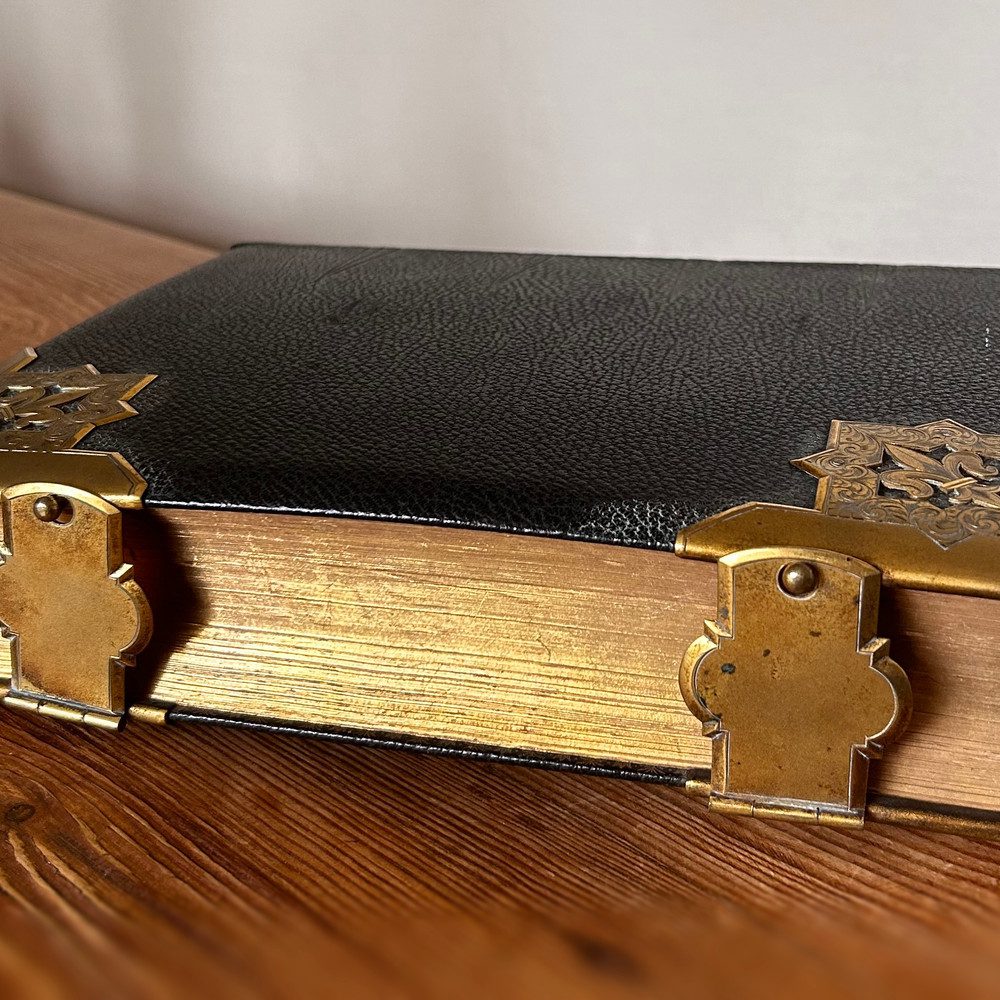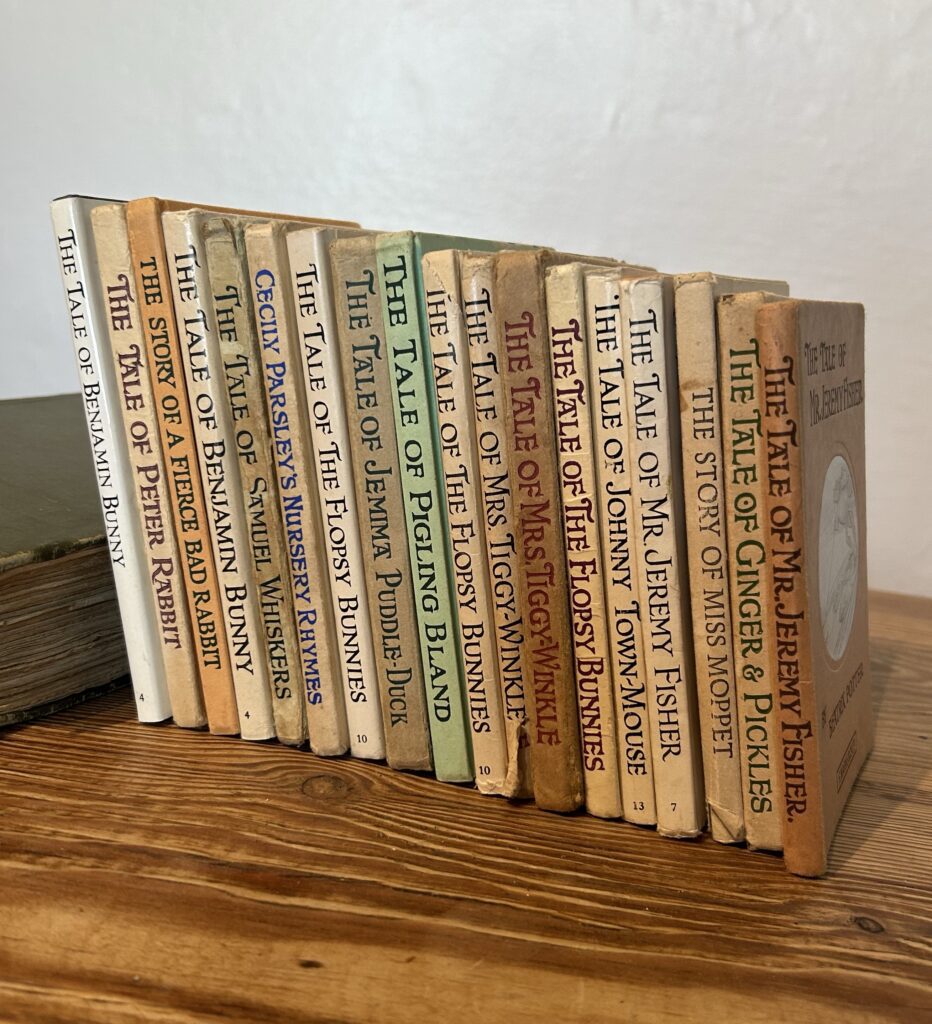
There’s something timeless about antique books. The scent of aged paper, the craftsmanship of leather bindings, and the history hidden within handwritten notes or bookplates make them far more than just reading material. For collectors, antique books offer a fascinating blend of literature, history, art, and investment potential.
Whether you’ve inherited a shelf of old volumes, discovered a rare edition at a car boot sale, or simply want to start collecting, this guide explains everything you need to know about antique books — from identifying valuable editions to preserving them for future generations.
In general, books over 100 years old are considered antique, although some collectors and dealers may use slightly different definitions depending on rarity and historical significance.
It’s important to understand the difference between:
A book doesn’t need to be centuries old to be valuable. First editions, signed copies, limited printings, and books with unique bindings can all command impressive prices.
Collectors are drawn to antique books for many reasons:
Many antique books were produced using high-quality materials and traditional printing techniques that are rarely seen today. Their durability and artistry continue to attract bibliophiles around the world.
Not every old book is valuable. Several key factors influence price and desirability.
First editions are often the most sought-after versions of a book. Collectors typically pay more for the earliest printings, especially from famous authors.
Condition has a major impact on value. Collectors examine:
Even highly desirable books can lose significant value if poorly preserved.
Books printed in small quantities or those that survived in limited numbers are often worth more.
A book previously owned by a notable individual, containing inscriptions, annotations, or historical bookplates, may increase in value.
Some books are simply more desirable because of cultural relevance, famous authors, or collector trends.
If you’re new to collecting, the best advice is simple: collect books you genuinely enjoy. Experienced collectors repeatedly recommend focusing on subjects, authors, or historical periods you love rather than buying books purely because they are old.
Successful collections often centre around:
A clear focus helps you build knowledge and avoid impulse purchases.
Understanding common collecting terms is essential:
The more familiar you become with these terms, the easier it is to spot valuable finds.
You do not need a huge budget to begin collecting antique books. Many collectors start with affordable editions from charity shops, used bookshops, estate sales, or online marketplaces.
In fact, community discussions among collectors frequently stress patience over expensive purchases. One popular recommendation from collectors is to “buy one excellent book rather than boxes of average ones.”
The UK has a thriving second-hand and antiquarian book scene. Popular places to discover antique books include:
Many collectors still enjoy the thrill of browsing physical shelves and uncovering unexpected treasures hidden among ordinary stock.
Preservation is essential if you want your books to retain value and remain readable for decades.
UV light can fade covers and weaken bindings over time.
Excess moisture encourages mould growth and page warping.
Avoid overcrowding shelves, which can damage spines.
Wash and dry your hands before handling antique books. Contrary to popular belief, cotton gloves are not always recommended because they reduce grip and increase the risk of dropping fragile books.
Using tape or household glue can dramatically reduce a book’s value.
Some antique books appreciate significantly over time, particularly rare first editions and historically important works. However, collecting should ideally begin as a passion rather than purely a financial investment.
Market demand can fluctuate, and condition plays a huge role in resale value. The most successful collectors tend to combine knowledge, patience, and genuine enthusiasm for books.
Antique books connect us directly to the past. Every worn spine, handwritten inscription, and aged page tells a story beyond the text itself. Whether you collect for enjoyment, decoration, scholarship, or investment, antique books offer a uniquely rewarding hobby.
The best collections are rarely built overnight. They grow slowly through curiosity, learning, and the excitement of discovering a book that feels truly special.
If you’re ready to begin your journey into antique books, start by exploring titles that genuinely interest you — because the most valuable collection is often the one you love most.